- Makeup Guides
- Lipstick
- Warm Undertones
- Color Theory
- Makeup Guides
Best Lipstick for Warm Undertones: Shades That Work
Vella Beauty Editors••11 min read
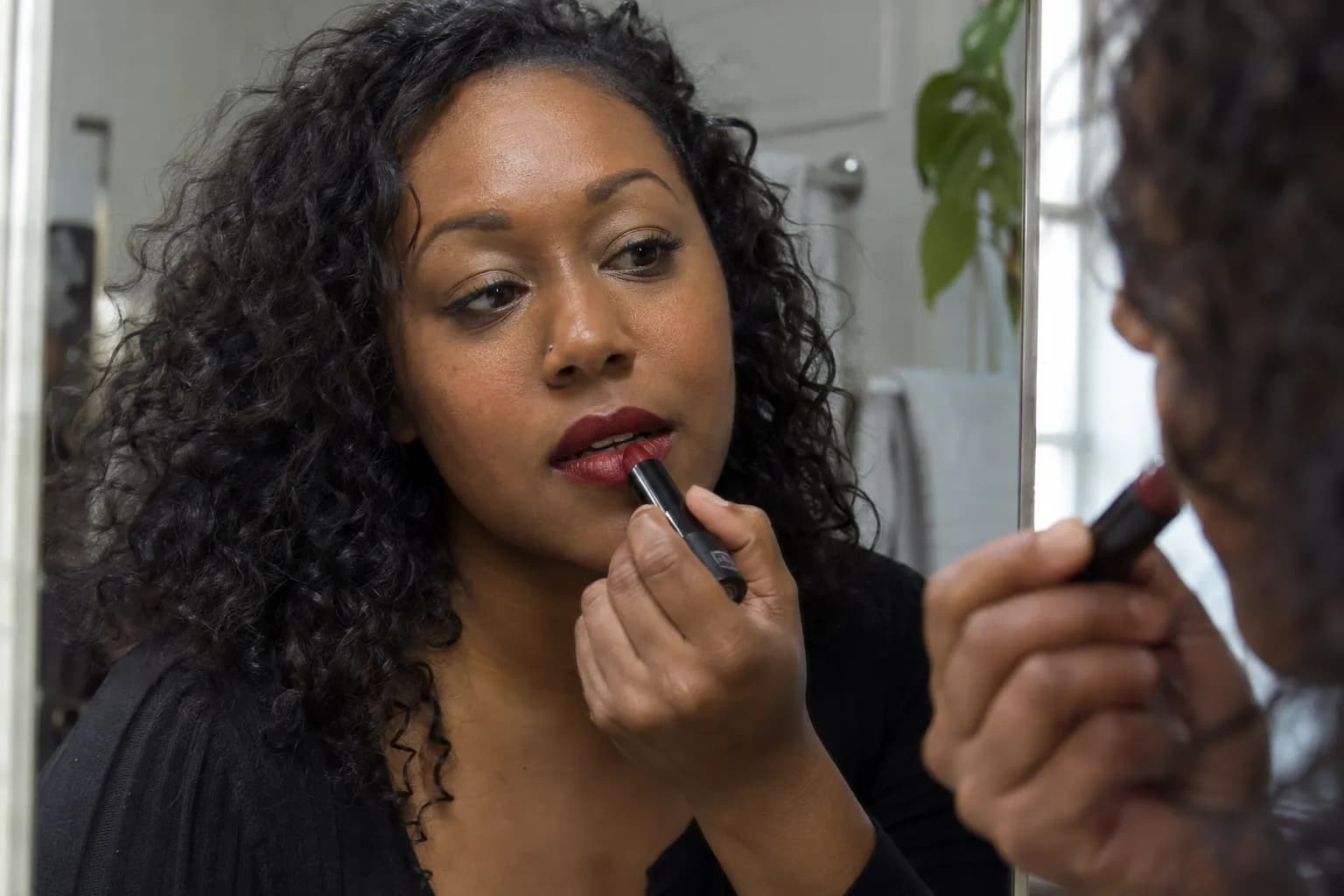
The best lipstick for warm undertones usually falls into peachy pink, coral, terracotta, orange-red, and warm brown shade families. Your most flattering version also depends on your skin depth, natural lip pigment, and whether you prefer soft or vivid color. This guide breaks down shades from fair to deep, nudes that avoid a grey cast, orange-based reds, finishes, and practical fixes when a lipstick looks wrong.

See your colors on your face
Vella Studio finds your color season from a selfie and tries makeup looks on your own photo.
Start with warmth, depth, and your natural lip color
A warm undertone generally has a golden, peachy, or yellow-leaning quality, but it does not tell you how light or dark your lipstick should be. Fair and deep skin can both have warm undertones; neither automatically needs bright orange lipstick.
Choose with three questions in mind:
- How light or deep is the shade? A beige nude that looks balanced on fair skin may look chalky on deep skin. A rich chestnut may act as a nude on deep lips but a statement shade on pale lips.
- How clear or muted is the color? Clear coral and tomato red feel vivid. Cinnamon, terracotta, and brown-based rose feel softer and earthier.
- How much of your natural lip color shows through? Sheer lipstick mixes visually with your lips. A sheer peach may look pinker on naturally mauve lips than it does in the tube.
If you are unsure about your undertone, compare a peachy rose and a cool mauve of similar depth in indirect daylight. Keep the rest of your makeup minimal and notice which looks more integrated with your face—not simply which color you like more. One comparison is a clue, not a definitive test; the guide to finding your undertone explains how to combine several clues.
Olive coloring deserves extra flexibility. Olive skin can lean warm, neutral, or cool, and some warm olives prefer muted terracotta over bright coral. The warm undertone guide offers another starting point, but your actual lip result matters most.
Best lipstick for warm undertones by skin depth
Use this table as a starting range rather than a rulebook. Any depth can wear a bold or pale lip deliberately; the question is whether you want a natural effect, a balanced statement, or strong contrast.
| Skin depth | Everyday nude families | Pink and coral families | Warm red families | Brown families |
|---|---|---|---|---|
| Fair | Peach beige, pink peach, light cinnamon rose | Apricot pink, soft warm rose, gentle coral | Soft tomato, light brick, warm poppy | Light toffee, rosy caramel |
| Light | Peach rose, warm rose beige, light caramel | Salmon pink, peach coral, warm rose | Tomato red, muted orange-red | Cinnamon, light terracotta |
| Medium | Caramel rose, peach brown, rosy tan | Warm rose, muted coral, terracotta rose | Brick red, tomato red, burnt coral | Caramel, copper-brown, cinnamon |
| Tan | Toffee rose, terracotta nude, warm chestnut | Rich coral, browned rose, warm burnt peach | Rust red, brick red, burnt orange-red | Toffee, chestnut, warm cocoa |
| Deep | Rosewood brown, copper-brown, warm cocoa | Rich burnt coral, warm rose-brown | Deep brick, rust, brown-based orange-red | Mahogany brown, chestnut, deep warm chocolate |
Fair to light: keep some pink in your nude
A pure yellow-beige can remove too much visible color from pale lips. Peachy pink, warm rose beige, and light cinnamon usually offer a more natural starting point because they retain a rosy element.
For an easy everyday application, tap the lipstick onto the middle of both lips, then press your lips together and soften the edge with a fingertip. For a brighter look, choose clear coral or poppy red rather than simply applying more beige.
Medium to tan: balance warmth with enough depth
Caramel rose, terracotta, and cinnamon can echo golden coloring without blending completely into your skin. If peach nude disappears, move one step deeper into peach brown or toffee rose rather than choosing a brighter orange.
Trace the outer edge with a warm brown or rose-brown liner close to your lip depth. Blend it inward before applying lipstick so the border defines rather than separates the colors.
Deep: look for rich pigment, not just a warm label
A lipstick can be warm and still have a pale base that reads chalky on deep lips. Copper-brown, rosewood brown, chestnut, and deep brick give you warmer options with more depth.
For a lighter nude effect, place caramel or warm peach-brown only at the center over a blended deep brown liner. The darker perimeter keeps definition while the lighter center creates dimension.
How to choose a nude that does not look grey
A flattering nude does not have to match your foundation. It usually works better when it relates to your natural lip color, with enough warmth and depth to keep your mouth visible.
Grey-looking lipstick often comes from a mismatch: too much cool taupe, too pale a base, or a muted beige layered over naturally violet-brown lips. The fix depends on which mismatch you see.
Find your nude in five steps
- Look at your bare lips in indirect daylight. Identify their overall depth and whether they lean peach, pink, mauve, brown, or a mixture. If your lips have different tones, consider both the center and the darker perimeter.
- Start near your natural lip depth. Try peach rose for lighter lips, caramel rose for medium lips, or rosewood brown for deeper lips. Go lighter only if you want a deliberately pale nude.
- Keep a little red or peach in the formula. Rosy caramel is often easier to wear than flat beige; warm cocoa can be more forgiving than grey-brown.
- Define only where you need it. Use a liner close to your natural lip depth, tracing the lip border and gently shading inward at the corners. Avoid leaving a hard ring.
- Check the whole face after the lipstick settles. Step back from the mirror. If your mouth seems to disappear, add depth or a touch of rosy warmth rather than more of the same nude.
Rescue a nude you already own
If the color is slightly too pale, blend warm brown liner into the outer third of each lip, then tap the nude through the center. If it is too grey, mix in a little peach, terracotta, or warm rose lipstick on a clean palette before applying.
Clear gloss can change the surface and make a flat finish look less stark, but it will not correct a strongly cool base. For an actual color adjustment, choose a sheer peach or warm rose gloss.
Warm taupe can work as a muted contouring shade, especially at the edge, but choose a brown-leaning taupe rather than one that looks lavender-grey.
Choose orange-based reds without going too orange
For warm undertones, useful red families include tomato, poppy, brick, rust, and burnt orange-red. These are not interchangeable: tomato is usually clearer, while brick and rust contain more earthy brown.
Shade names vary between formulas, so treat the name as a clue. A lipstick called “brick” could still lean berry; look at the color itself.
Pick the red for the effect you want
- Fresh and bright: Try tomato or warm poppy red. These create a clear statement without the pink-violet character of many blue-based reds.
- Soft and everyday: Choose muted brick or red terracotta, applied as a thin, blotted layer.
- Rich and defined: Look for deep brick, rust, or brown-based orange-red, particularly if lighter reds seem disconnected from your lips.
- Boldly orange: Choose vermilion or red-orange when you want visible orange, not simply a warmer red.
A warm undertone does not mean maximum orange is always the answer. If red-orange dominates your face, move toward a redder tomato or a browner brick. If brick feels dull, try a clearer red at a similar depth.
Apply a precise warm red
Blot away excess lip balm first. Outline your natural lip border with a matching red or warm red-brown liner, then fill the lips lightly with it. Apply a thin lipstick layer from the center outward, using a small lip brush around the corners and Cupid’s bow.
Blot once and add a second thin layer only where needed. For a softer result, skip the sharp outline and blur the border with a clean brush after application.
Match the finish to the result you want
Finish changes how strongly you see the pigment and how clearly the lip edge appears. It cannot turn a cool mauve into a warm rose, but it can make a shade feel more subtle or more assertive.
| Finish | Useful for | What to check |
|---|---|---|
| Sheer balm or tinted gloss | Easy peach, coral, and warm rose | Your natural lip pigment may shift the apparent color |
| Cream or satin | Everyday nudes and versatile warm reds | Apply thinly if the formula gathers at the border |
| Soft matte | Defined brick, cinnamon, and terracotta | Pale shades can look flatter or chalkier at full coverage |
| High-shine gloss | Caramel nudes and dimensional warm browns | Reflective shine can make the center appear lighter |
| Stain | A soft coral or warm red wash | The settled color may differ from the initial application |
If you are uncertain, satin is a useful first comparison finish: it generally lets you assess color without extreme shine or a completely flat surface. Actual coverage still varies by formula.
For a dimensional nude, keep the perimeter satin and place gloss only at the center of the lower lip and a small area of the upper lip. For a blurred brick lip, tap on a thin layer and soften the boundary rather than drawing beyond your natural lip line. If you have monolids and want to complete the look, the makeup guide for monolid eyes covers shadow, liner, and lash placement.
Prepare with a light layer of balm and blot excess before applying. If your lips feel rough, choose a comfortable cream or sheer finish rather than forcing an opaque matte to sit evenly.
Shades to approach carefully—not automatically avoid
There are no forbidden lipstick colors. These families simply deserve a closer check if your goal is a harmonious warm-toned look:
- Icy pink and lilac: Their pale, cool quality can look separate from golden coloring. Try peach pink or warm rose for a more blended effect.
- Blue-heavy fuchsia and violet berry: These create deliberate cool contrast. If that feels too sharp, try rich coral, warm rose-brown, or a red-brown shade instead.
- Grey beige and lavender taupe: These may make a nude look ashy. Move toward rosy caramel, cinnamon beige, or warm cocoa.
- Very pale opaque peach: Warm does not guarantee flattering. A light base can still look chalky, particularly on tan or deep lips.
- Strong yellow-orange: This can overwhelm some muted warm complexions. A browner terracotta or redder coral may feel more balanced.
Dusty rose is not automatically too cool. Choose a version with peach or brown rather than a distinctly lilac base. If muted, earthy colors generally suit you better than clear brights, the Soft Autumn palette guide can help you explore that direction without assuming every warm undertone belongs to the same season.
Common mistakes and how to diagnose them
When a lipstick looks wrong, change one variable at a time. Switching the depth, undertone, and finish together makes it hard to learn what actually helped.
“It looks grey, but the label says warm”
Check whether the shade is much lighter than your natural lips. If so, test a deeper caramel rose or warm brown first. If the depth looks right but the color still seems grey, choose a version with more peach or red and less taupe.
“Every warm lipstick turns orange on me”
You may be choosing highly orange shades rather than gently warm ones. Try warm rose, rosy brown, or balanced brick at the same depth. Also compare in daylight: yellow indoor lighting can exaggerate warmth.
“The swatch is perfect, but it looks purple on my lips”
Your natural lip pigment may be showing through a sheer formula. Compare a more opaque version of a similar shade, or apply a thin layer of warm rose-brown liner underneath. Avoid automatically blanking out your lips with pale concealer; that can create a different mismatch.
“The lipstick is flattering, but my face looks washed out”
Check contrast. A nude very close to your skin depth can erase definition, even when its undertone is right. Try a slightly deeper shade or a softly blended liner before changing your entire makeup look.
“It only looks good with a full face of makeup”
Test it again with your usual everyday makeup. If you want a low-effort lipstick, it should deliver the effect you like without needing several other products to balance it. A sheerer application or softer shade may suit that goal better than a different undertone.
Check your options with Vella
If you want a starting point, use the free Undertone Finder, then compare a few nearby shade families rather than treating one result as a strict rule.
The Vella Studio app offers photorealistic makeup try-on on your own photo with a before/after slider. Compare a peachy nude, warm rose, and brick red to see which direction you prefer; every shade is named so you can look for it when shopping. It is free to download on iPhone and Android, with unlimited use available through Vella Pro.
Use the preview to narrow your choices, then check the actual lipstick in daylight. A photo preview cannot establish its real-life texture, comfort, or wear.
Frequently asked questions
What lipstick colors look best on warm undertones?
Peachy pink, coral, terracotta, tomato red, brick, and warm brown are useful starting points. Choose the depth around your natural lip color: lighter peach rose for lighter lips, caramel rose for medium lips, and copper-brown or warm cocoa for deeper lips.
Why does nude lipstick look grey on me?
Your nude may be too cool, too pale, or too muted over your natural lip pigment. Try a deeper shade with more peach, rose, or warm brown, and blend a liner close to your lip depth around the perimeter. Clear gloss changes shine but does not correct a grey base.
Can warm undertones wear pink lipstick?
Yes—peach pink, salmon pink, warm rose, and brown-based rose are all options. If a pink looks icy or lilac on your lips, try a version with more peach or brown at a similar depth.
Is orange-based red better than blue-based red for warm skin?
Orange-based reds often create a more harmonious effect with warm coloring, especially tomato, brick, and rust. Blue-based reds can still work when you want contrast. If an orange-red looks too orange, try a redder tomato or a browner brick rather than abandoning warm reds.
What is the best nude lipstick for deep skin with warm undertones?
Rosewood brown, copper-brown, chestnut, and warm cocoa are good starting families. Match the shade to your natural lip depth rather than choosing a pale beige labeled nude. For a lighter center, blend caramel lipstick into a deeper warm brown liner.
Try it on your own face
Vella Studio finds your color season and shows every look on your photo — every shade named, so you know exactly what to buy.